The United States, a vast and diverse nation, has embraced the world of online dating with widespread adoption, and Tinder remains a dominant player in this landscape. Launched in 2012, Tinder quickly revolutionized how individuals connect, moving beyond traditional online dating platforms to popularize a swipe-based interface for matching potential partners. Its accessible design, coupled with a massive user base, has made it a go-to application for millions across the US seeking everything from casual encounters to long-term relationships. This overview delves into Tinder’s presence and impact within the United States, exploring its features, user demographics, common usage patterns, and societal implications.
The Tinder Phenomenon in American Culture
Tinder’s ascent in the United States is a story of innovation meeting a widespread societal desire for connection in an increasingly digital age. Its introduction of the “swipe right” or “swipe left” mechanic fundamentally altered the initial stages of online dating, making the process feel more intuitive and game-like. This approach resonated particularly well with a younger demographic, including college students and young professionals, who were already comfortable navigating digital interfaces and seeking efficient ways to meet new people. The app’s widespread availability on smartphones meant that a vast pool of potential matches was always just a tap away, contributing to its rapid viral growth across American cities and towns. From the bustling metropolises of New York and Los Angeles to smaller communities, Tinder’s interface proved adaptable to various social environments. Its casual adoption for “just seeing who’s out there” also lowered the barrier to entry, making it less intimidating than more established, profile-heavy dating websites of the past. This widespread accessibility and ease of use have cemented Tinder’s status not just as a dating app, but as a cultural touchstone in modern American social interaction.
Core Functionality and User Experience
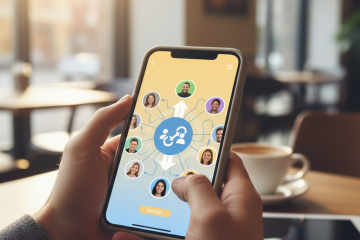
At its heart, Tinder operates on a simple yet effective premise: facilitating initial connections based on proximity and user-defined preferences. Users create profiles by linking their Facebook accounts or phone numbers, uploading photos, and writing a short bio. The app then presents potential matches one by one, sourced from a pool of users within a specified geographic radius. The iconic swiping mechanism allows users to indicate interest (“swipe right”) or disinterest (“swipe left”). When two users swipe right on each other, a “match” is created, enabling them to communicate through the app’s integrated chat feature. This direct, immediate feedback loop is a key component of Tinder’s appeal, offering a quick and engaging way to gauge mutual attraction. Beyond the basic functionality, Tinder has introduced several features to enhance user experience and monetization. “Super Likes” allow users to signal exceptional interest in a profile before a match occurs, increasing visibility. Tinder’s premium subscription tiers, Tinder Plus and Tinder Gold, offer additional benefits such as unlimited likes, the ability to undo a swipe, see who has liked your profile before matching, and a “Passport” feature to change your location and swipe in different cities or countries. The app also employs algorithms to refine match suggestions over time, aiming to present users with profiles they are more likely to be interested in. Despite these additions, the core swiping experience remains the defining characteristic of Tinder, embodying a modern approach to initiating romantic or social connections within the United States.
Demographics and User Base in the United States
Tinder’s user base in the United States is notably broad, though certain demographics are more heavily represented. Primarily, the app attracts a younger adult population, with the 18-35 age bracket forming a significant portion of its active users. This demographic is actively engaged in the dating scene and generally more receptive to digitally mediated social interactions. College students, recent graduates, and young professionals frequently cite Tinder as a convenient tool for expanding their social circles and finding dates. While stereotypes often position Tinder as predominantly for casual dating or hookups, surveys and user reports indicate a more nuanced reality. A substantial number of users, particularly in their mid-to-late twenties and early thirties, express seeking more serious relationships, including long-term partnerships and marriage. This duality in user intent is a defining characteristic of Tinder’s American presence. The app also boasts significant gender diversity, though like many online dating platforms, there can be fluctuations in the ratio of male to female users in specific regions or age groups. Geographic distribution is also widespread, with Tinder being popular in both major urban centers and smaller towns across the country, reflecting the pervasive nature of mobile technology and the common desire for connection nationwide. The platform’s adaptable algorithm and broad appeal contribute to its continuous evolution as a ubiquitous tool for dating and social networking throughout the United States.
Common Usage Scenarios and Intentions
Within the United States, individuals turn to Tinder for a variety of reasons, reflecting the diverse social fabric and relational goals prevalent in the country. The most widely recognized usage is for casual dating and finding companions for social activities. Many users, especially those in their early twenties, leverage Tinder to meet new people, go on occasional dates, and explore romantic or physical connections without immediate pressure for commitment. This approach aligns with a cultural appreciation for spontaneity and experimentation in relationships. Another significant segment of the user base utilizes Tinder with the intention of finding more serious relationships. As users mature or seek to settle down, their objectives on the app can shift. They may use the same swipe-based interface to connect with individuals who share similar long-term aspirations, such as marriage or building a family. This demonstrates Tinder’s capacity to serve as a portal for various relationship trajectories, from fleeting moments to potentially life-altering commitments. Furthermore, some Americans use Tinder for reasons beyond traditional romantic pursuits. It can serve as a tool for expanding social networks, finding friends with shared interests, or even as a confidence booster through the validation of matches. For individuals who have recently moved to a new city or experienced a breakup, Tinder can provide a lifeline to re-engage with the dating scene and build a new social life. Its accessibility and vast user base make it a convenient starting point for re-entry into social interactions. The app’s versatility means that intentions can also evolve during the user’s journey; someone initially seeking casual encounters might discover a deeper connection with a match, or vice versa.
Tinder has become an ingrained part of the American dating landscape, offering a platform for diverse connections. Its simple interface appeals to a broad demographic, from young adults exploring casual dating to individuals seeking long-term partners. While often associated with immediate gratification, the app’s users demonstrate a wide spectrum of intentions, highlighting its adaptability in meeting varied relational needs across the country.
Navigating Safety and Best Practices
While Tinder facilitates connections, prioritizing safety is paramount for users in the United States. The platform has implemented various safety features, but individual vigilance remains crucial. Users are advised to create detailed and honest profiles, avoiding overly generic descriptions that might attract unwanted attention or misrepresent their intentions. When communicating with potential matches, it is recommended to remain cautious about sharing excessive personal information, such as full addresses, workplace details, or financial information, especially in the early stages of interaction. Many users opt to continue initial conversations within the app’s secure messaging system until they feel comfortable moving to text or phone calls. For first dates, users are strongly encouraged to meet in public, well-lit places, such as popular cafes, restaurants, or parks, and to inform a trusted friend or family member about their plans, including the name of their date and the meeting location. It is also advisable to arrange one’s own transportation to and from the date, maintaining independence and control over departure. Users should be aware of common online scams, such as requests for money, “catfishing” (where individuals impersonate others), or phishing attempts designed to steal personal data. Tinder’s safety center provides resources and tips on recognizing and reporting suspicious activity, including harassment and abusive behavior. By adhering to these best practices, individuals can significantly enhance their safety and enjoy a more positive experience navigating the complexities of online dating in the United States.
What is the average age of Tinder users in the US?
The largest demographic group on Tinder in the United States typically falls between the ages of 18 and 29. While users of all adult ages are present, this younger adult bracket represents a significant portion of the active user base.
Can Tinder be used for finding serious relationships in the US?
Yes, absolutely. While Tinder has a reputation for casual dating, many users in the United States are also using the app to find long-term relationships, including marriage. User intentions vary widely, and serious relationships are a common outcome.
What are Tinder’s premium features in the US?
Tinder’s premium subscriptions, such as Tinder Plus and Tinder Gold, offer features like unlimited likes, the ability to undo accidental swipes, a passport to swipe in different locations, a “See Who Likes You” feature (with Gold), and five Super Likes per day. These features aim to enhance the user experience and offer more control over matches.
How does Tinder handle user safety in the United States?
Tinder offers safety features such as profile verification, a safety center with resources, and the ability to report or block users. They also recommend best practices like meeting in public for first dates and informing someone of your plans. Users are encouraged to exercise caution and trust their instincts.
Are Tinder profiles accurate in representing users?
While many users strive for accuracy, profiles can sometimes be misleading. It is advisable to be discerning and verify information through conversation and, if comfortable, video calls before meeting in person. Pay attention to consistency in photos and descriptions.
In conclusion, Tinder remains a dynamic and widely used platform for dating and social connection throughout the United States. Its intuitive design and extensive user base continue to make it a popular choice for individuals seeking various forms of companionship. By understanding its features, user demographics, and safety considerations, Americans can effectively navigate the app to meet their personal relationship goals.
Conditions may vary; please check official rules.
Sources: U.S. News & World Report, Pew Research Center

0 Comments